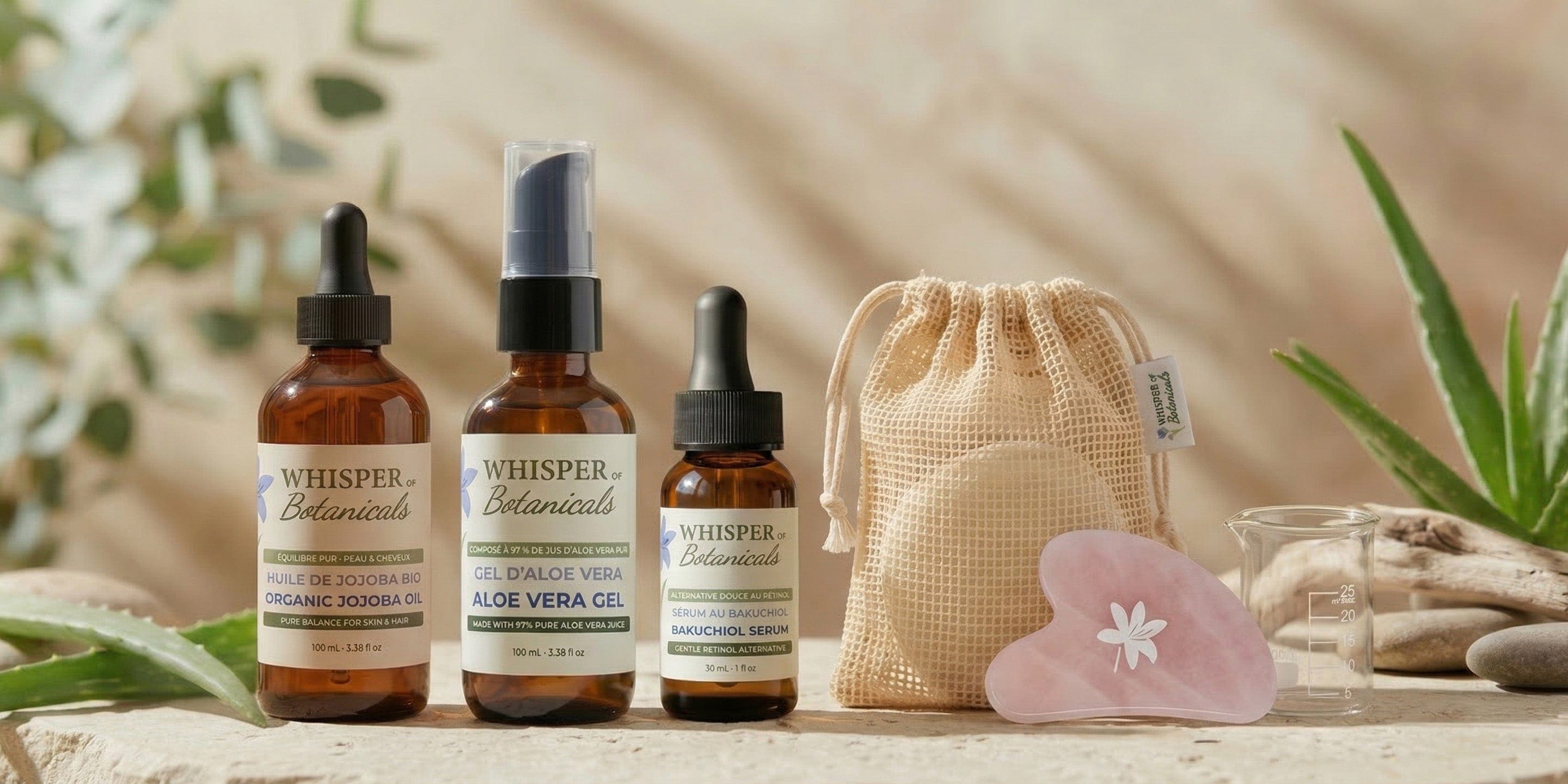

Recipes for Oily Skin
Fresh, gentle DIY recipes designed to support oily skin and everyday balance

What Is Oily Skin?
Oily skin often looks shiny, feels heavier through the day, and may be more prone to visible pores, blackheads, or blemishes.

What Does It Need?
The goal is to balance excess oil, maintain hydration, and support the skin without stripping or overcorrecting.

Best Recipe Types
Gentle cleansers, lightweight serums, clarifying masks, and fresh-feeling moisturizers work especially well for oily skin.

What to Avoid
Harsh cleansers, over-exfoliating, and overly rich formulas can leave oily skin feeling unbalanced or congested.
Find Your Recipes
Browse our collection of simple DIY skincare recipes for oily, congestion-prone skin

Cloud Clay Cleanser
A soft creamy clay cleanser that gently refreshes the skin with a lighter, smoother feel than a traditional clay mask.

Clarifying Clay Cleanser
A gentle clay cleanser designed to refresh oily skin and leave it feeling clean, balanced, and comfortably clarified.

Balancing Hydro Gel
A lightweight hydration gel with quinoa peptide to help skin feel fresh, soft, and comfortably balanced.

Purifying Clay Mask
A fresh clay mask with tea tree and kaolin to help oily skin feel clean, balanced, and softly clarified.

Gentle Glow AHA Gel
A lightweight evening gel treatment with a gentle level of fruit-derived AHA to help skin feel smoother, fresher, and more refined over time.

Clarifying Night Oil
A lightweight night oil with jojoba, bakuchiol, and a touch of tea tree for a smoother, more balanced finish.

Light Bi-Phase Moisture Shake
A shake-before-use moisture treatment with chamomile, hyaluronic acid, and jojoba to leave skin feeling fresh, soft, and lightly balanced.
Not sure where to begin?
Take the quick skin quiz and find the simplest starting point for your skin
🌿 Your Guide to Oily Skin DIY Skincare
🌿 Your Guide to Oily Skin DIY Skincare
🌿 What Is Oily Skin?
🌿 What Is Oily Skin?
Oily skin produces more sebum than it needs, which can leave the skin looking shiny or feeling heavier throughout the day. It is often associated with more visible pores, congestion, blackheads, or occasional breakouts, especially in the T-zone.
That said, oily skin is not “bad” skin. Sebum plays an important role in protecting and softening the skin. The goal is not to strip oil away completely, but to support a clearer, more balanced feel without disrupting the skin barrier.
🧴 Ingredients That Support Oily Skin
🧴 Ingredients That Support Oily Skin
Oily skin tends to do best with lightweight, clarifying, and balancing ingredients that help maintain hydration while avoiding a heavy finish.
Helpful ingredient types include:
- Lightweight humectants: These help hydrate the skin without adding heaviness. Examples include glycerin, aloe vera, and hyaluronic acid.
- Balancing botanical ingredients: These can help the skin feel fresher and more comfortable while supporting a cleaner-looking complexion.
- Gentle purifying ingredients: Clay-based masks, mild exfoliating ingredients, and carefully chosen botanical extracts can help reduce the feeling of buildup and congestion.
For oily skin, the best DIY approach is usually light, simple, and consistent: enough hydration, gentle cleansing, and ingredients that help the skin feel fresh without overdoing it.
💧 Simple Skincare Routine for Oily Skin
💧 Simple Skincare Routine for Oily Skin
An oily-skin routine does not need to be harsh to be effective. In many cases, a simple and gentle routine works best.
1. Cleanse gently:
Use a mild cleanser that removes excess oil, sunscreen, and daily buildup without leaving the skin stripped.
2. Hydrate lightly:
Apply a lightweight serum, gel, or essence to keep the skin hydrated and comfortable.
3. Moisturize appropriately:
Finish with a light moisturizer or a small amount of facial oil if needed. Oily skin still benefits from moisture support.
If desired, a gentle clarifying mask or exfoliating treatment can be added occasionally. The goal is to help the skin feel clean, balanced, and comfortably hydrated rather than dry and overcorrected.
🌱 If You're New to DIY Skincare
🌱 If You're New to DIY Skincare
If you are just starting out, oily skin can benefit greatly from a simple, balanced routine.
Start with easy, gentle recipes such as:
- lightweight facial serums
- gel-style moisturizers
- clay masks
- gentle cleansers
It can be tempting to use strong or drying formulas, but oily skin often responds better to moderation. Starting with a few well-chosen products is usually more helpful than trying to do everything at once.
When making DIY skincare for oily skin, clarity and balance matter more than intensity.
🍃 Why Make Your Own Skincare
🍃 Why Make Your Own Skincare
Making your own skincare gives you more control over texture, ingredient choice, and overall simplicity. For oily skin, that can be especially helpful when many ready-made products feel too harsh, too rich, or too complicated.
DIY skincare allows you to:
- choose lighter textures
- avoid ingredients that feel unnecessarily heavy
- build a routine around balance rather than stripping
- adjust formulas based on how your skin feels
It can also help you create a routine that feels more intentional and less reactive. Instead of fighting your skin, you can support it with products that feel fresh, gentle, and better suited to its real needs.
🌤️ Can Oily Skin Change Over Time?
🌤️ Can Oily Skin Change Over Time?
Yes - oily skin can absolutely change over time.
Many people notice more oiliness during:
- hot or humid weather
- hormonal shifts
- stressful periods
- times of over-cleansing
- routines that are too aggressive
At other times, oily skin may feel more balanced, dehydrated, or even temporarily sensitive. This is completely normal. Skin is responsive, and its needs can shift with climate, age, routine, and overall lifestyle.
Paying attention to these changes can help you choose gentler and more effective support over time.
✨ How Often Should You Exfoliate Oily Skin?
✨ How Often Should You Exfoliate Oily Skin?
Oily skin often tolerates exfoliation better than dry skin, but more is not always better.
In many cases, gentle exfoliation 1 to 3 times per week is enough, depending on the formula and how your skin responds. The purpose is to help reduce buildup, support smoother texture, and keep the skin feeling fresh.
If your skin starts to feel tight, irritated, overly shiny, or reactive, it may be a sign that you are exfoliating too often.
For oily skin, gentle exfoliation should help improve clarity and smoothness without leaving the skin stripped or stressed.
🔄 Can DIY Skincare Help Support Oily Skin?
🔄 Can DIY Skincare Help Support Oily Skin?
DIY skincare can absolutely help support oily skin when formulas are kept gentle, lightweight, and thoughtfully balanced.
The most helpful recipes are usually those that:
- hydrate without heaviness
- help reduce the feeling of buildup
- support a clearer-looking complexion
- keep the skin comfortable
- avoid unnecessary harshness
Oily skin does not need to be punished or dried out to look its best. In fact, overly aggressive routines can make the skin feel more reactive and less balanced over time.
DIY skincare may not completely change how much oil your skin naturally produces, but it can make a meaningful difference in how your skin feels day to day. With the right ingredients and a calm routine, oily skin can feel fresher, clearer, and more comfortably balanced.